 Dear neighbors,
Last month, the Village Board adopted its FY2026-27 Budget. Thank you to everyone who reached out to share priorities and concerns. This year’s budget process has been particularly challenging, as we’ve worked to navigate rising non-discretionary expenses while continuing to invest in important village priorities. Over the last month, we held four public work sessions to go line-by-line through the tentative budget, a public hearing in early April, and we met with each department head to discuss costs, priorities, and tradeoffs. I’m writing to share the outcome of those discussions.
The Village’s budget will increase by approximately 10.1% this year. Fortunately, we’ve seen another strong year of growth in our property values, particularly in the commercial corridor, and the homestead tax rate will increase by just 6.18%.
Village taxes represent approximately 25% of your overall property tax bill. Your individual increase depends on a range of factors, including how your home’s assessed value has changed relative to the overall tax base. The median homeowner, with an assessed property value that increased to $981,500 this year, will see a Village tax increase of approximately $53/month or $641 for the year.
What’s Driving the Increase
Given the complexity of this year’s budget, it’s important to the Village Board that residents have a clear picture of what’s in it and why.
The bulk of this year’s increase is driven by obligations that are not discretionary. Rising pension contributions that are mandated by the state and employee health insurance costs are putting significant pressure on municipal budgets across the region. We’re simultaneously absorbing the cost of a replacement ladder truck, street sweeper and other essential vehicles that were needed to replace equipment that has reached the end of its useful life, as well as the final cost of repairs and remediation of the parking lot behind the municipal center. Combined, these non-discretionary items constitute approximately 58% of this year’s increase.
As outlined in the flood mitigation update I shared in March, this budget also includes a significant investment in our stormwater project (almost 30% of this year’s increase). Protecting our community from flooding is one of the board’s most important long-term responsibilities, and now that the project has reached the 60% design phase, this investment positions us to prepare confidently for the construction phase.
There are two additional drivers of this year’s increase that reflect choices made by the Village Board during the budget review process in response to priorities raised by residents:
First, we’ve increased our road paving budget by approximately $200,000 (roughly 11% of this year’s increase). Combined with funds we receive from New York State each year, this brings us up to approximately $500,000 annually. A few years ago, we directed surplus funds toward additional paving and saw firsthand how much of a difference that level of investment makes. Unlike that one-time allocation, this is now a permanent annual commitment — one that matches the funding levels recommended in the Pavement Management Report we commissioned in 2023. While this is technically “discretionary,” I believe that after this past winter, the need for increased annual investment is especially clear. Maintaining our roads isn’t glamorous, but it’s one of the most visible ways we invest in the quality and character of the village.
The second addition to the budget includes funding for a dedicated traffic enforcement position within the police department. Residents have consistently raised concerns about reckless driving and its potential impact on students, pedestrians, bicyclists, and other drivers – an issue that seems to have gotten worse. Increased enforcement is a long-standing request from residents, but because our police department is minimally staffed, sustained enforcement has been difficult to achieve without incurring overtime or pulling officers from other patrol duties. This position changes that, and will allow us to increase police presence around our schools during drop-off and pickup, address downtown violations like u-turns and double-parking, and better monitor “hot zones” where residents report recurring problems. We can’t be everywhere at once, but this is a meaningful step toward making our streets safer for all of us.
With the exception of the added traffic enforcement position, each department’s headcount has remained flat or been cut. No other discretionary items were added to this year’s budget.
In Closing
On a personal note: this is my tenth budget since first joining the board in 2017, and it is, by far, the most challenging.
As fellow taxpayers, all of us on the Village Board are acutely aware that rising costs are straining household budgets across our community. Inflation, gas prices, healthcare, everyday expenses — we’re feeling it too. Municipal budgets are not immune to those same pressures, and this year’s budget reflects that reality in ways that are frustrating even for those of us who put it together.
But we also believe we have an obligation to maintain and invest in the things that make Pelham such a remarkable place to live, even in difficult years like this one. Protecting our homes and streets from flooding, keeping our roads in good condition, and making it safer to walk through our village are all investments we believe are worth making.
I hope this letter helps explain our thinking. As always, please don’t hesitate to reach out with questions.
Best,
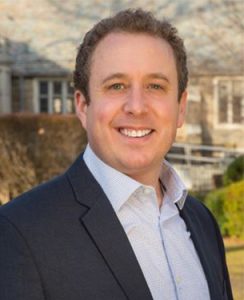
Mayor Chance Mullen